
What Is a Virtual Phone Number? Definition and Use Cases
Learn what a virtual phone number is, how disposable numbers operate during account signups, and how registration checks inform risk review.
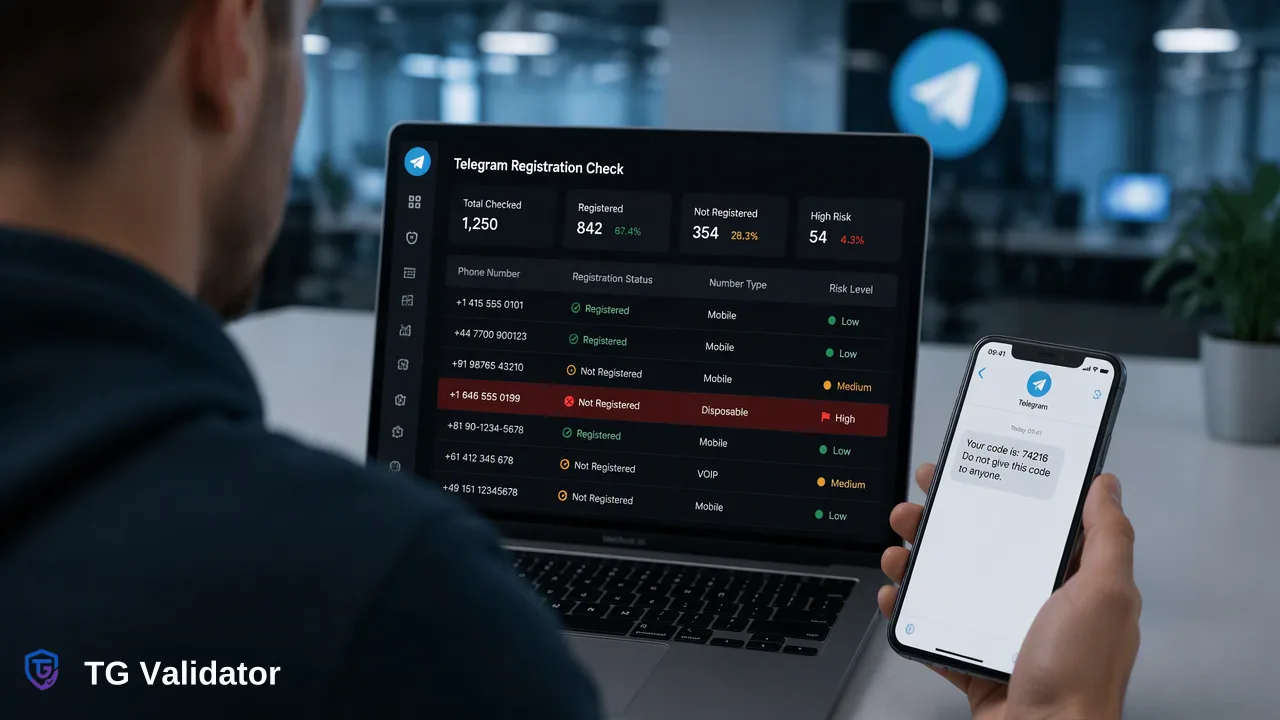
A comprehensive technical definition of virtual and disposable phone numbers, exploring how cloud routing functions, why users adopt temporary numbers for account signups, and how account-presence signals inform review workflows.
A virtual phone number is a telephone identifier that operates through software and cloud routing rather than being tied to a physical SIM card or dedicated hardware device. A disposable phone number is a temporary subset of virtual numbers provisioned for short-term use, primarily to receive a single SMS verification code during account signup before being discarded.
Defining Virtual and Disposable Phone Numbers
A virtual phone number functions without a direct connection to a physical subscriber identity module (SIM) card or a specific fixed-line telephone exchange. Instead, telecommunications providers and cloud communications platforms map the identifier to an application, an IP address, or a web dashboard.
Like traditional phone lines, virtual numbers are structured under international numbering plans such as ITU-T Recommendation E.164, which standardizes country codes, area codes, and subscriber digits up to a maximum of 15 digits. Because routing occurs at the software layer, virtual identifiers can be provisioned on demand across different geographic jurisdictions.
Disposable phone numbers represent a specialized category of virtual numbers. While standard virtual numbers are often maintained for long-term customer support, remote business telephony, or private communication, disposable numbers are engineered for ephemeral lifecycles. They are typically accessed through shared public web portals or temporary SMS-reception utilities designed to receive a one-time verification message.
How Disposable Numbers Function in Practice
Disposable numbers operate by routing inbound SMS traffic through cloud-connected telecom gateways directly to web dashboards, browser extensions, or automated aggregators.
In typical consumer workflows, disposable numbers serve privacy-conscious users who want to explore online services without exposing their primary mobile lines. By routing verification texts away from personal devices, users limit marketing exposure and avoid persistent tracking.
In automated environments, disposable numbers are frequently leveraged to bypass standard verification gates:
- Multi-Account Creation: Automated actors provision batches of temporary identifiers to establish multiple platform accounts simultaneously.
- Bypassing Mobile Verification: Because many digital services require a valid telephone number during onboarding, throwaway numbers allow users to satisfy one-time SMS challenges without owning a dedicated mobile plan.
- Session Abandonment: Once the verification code is received and submitted, the user disconnects from the number, leaving the resulting online account linked to an unmonitored or publicly accessible identifier.
This dynamic creates operational complexity for teams reviewing inbound signups or maintaining contact databases.
Distinguishing Between Number Types
Understanding telecommunications risk requires distinguishing between traditional mobile lines, permanent virtual numbers, and temporary disposable numbers.
| Number Type | Hardware Requirement | Intended Lifespan | Primary Operational Role |
|---|---|---|---|
| Traditional Mobile | Physical SIM or eSIM linked to a carrier network | Long-term (months to years) | Daily personal voice, SMS, and data usage |
| Permanent Virtual / VoIP | Cloud or software client, independent of SIM | Ongoing business lifecycle | Remote PBX, CRM routing, and customer support |
| Disposable Virtual | Web inbox or temporary API routing | Ephemeral (minutes to days) | Single-use SMS reception, temporary registrations |
Traditional mobile subscriptions involve ongoing carrier contracts, physical device binding, and standard subscriber billing. Permanent virtual numbers—such as enterprise VoIP lines—remain stable over long horizons and maintain identifiable commercial routing paths.
Disposable numbers exist primarily for short-term message reception, meaning the link between the submitted identifier and the actual operator is broken shortly after onboarding.
The Role of Registration Checks in Risk Management
Because phone numbers submitted during signup may be temporary, organizations incorporate registration verification into their risk and review pipelines.
Checking whether a phone number is registered on an external communications platform—such as Telegram—provides an empirical account-presence signal. This signal confirms whether the identifier currently corresponds to an existing account on that specific platform at the exact moment of the check.
It is essential to apply this signal within clear operational boundaries:
- No Device or Intent Verification: A registration result does not verify physical SIM possession, current device hardware, active screen engagement, or user consent to receive future marketing.
For risk and compliance workflows, platform registration checks serve as one input among multiple data layers. When combined with format normalization and carrier metadata, registration signals help teams prioritize records, route inquiries, and structure manual reviews without overstating the certainty of individual user identity.
FAQ
Are virtual numbers the same as VoIP numbers?
Virtual numbers encompass Voice over IP (VoIP) lines as well as software-routed numbers configured solely for SMS or cloud-based call forwarding.
While all VoIP numbers operate without direct physical copper-line connections, disposable virtual numbers are specifically configured for ephemeral or single-use messaging sessions rather than long-term telecommunications.
Why do organizations evaluate phone registration signals during onboarding?
Organizations evaluate platform registration signals to understand whether a submitted phone number corresponds to a registered account on a target service.
This platform-specific reachability signal gives teams operational context to inform routing decisions, prioritize communication channels, and flag unusual submission patterns for manual review.
Learn More
Choose the product information that fits the next step in your workflow.